
Why do so many conditions improve with chiropractic care and why are so many of my health conditions related to misalignments of spinal bones?
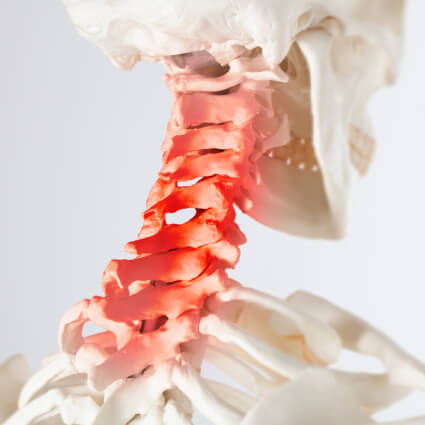 The top bone in the spine holds up the skull and is the most commonly misaligned bone in the spine. It has a nickname of the atlas because it holds up the “world.” The correct name for the bone is C1 and the area around the bone is unique due to its relationship to the base of the skull and the brainstem.
The 12 cranial nerves that exit the brainstem operate the eyes, jaw, saliva and tear glands, tongue, facial muscles, the inner ear – balance and hearing systems, some neck muscles, the heart, lungs, bronchi, and the gastrointestinal tract.
The nerves also bring sensations from the face, throat/back of tongue, external ear, smell receptors, teeth, sinuses, and input about heart, lung, bronchi, trachea, gastrointestinal, and immune status up to the brain.
The 3rd, 7th, 9th, and 10th cranial nerves all have sensory input into the brain that promote “rest and digest” functions.
Most importantly, the 10th cranial nerve, which is also called the vagus nerve, contains 3 sensory inputs into the brain from the above mentioned organs/systems.
According to Nobel prize winning endocrinologist Hans Selye, this is why our body has health problems and disease. Over 95 percent of our health problems are caused by the body failing to adapt.
The systems of the body will no longer respond the way that your nervous system usually tells them to so our body responses will be faulty and dysfunctional. The vagus also has 2 motor outputs to smooth muscle in the arteries and GI tract to open and close those tubes and operate sphincters.
Conditions
If this bone is misaligned, any one or more of the cranial nerves can get irritated and the signals will not be transmitted properly. This nerve interference may cause one or more of the following conditions:
- Endocrine system disorders – Hashimotos hypothyroiditis, Graves disease, adrenal fatigue, chronic fatigue syndrome, Addison’s disease, diabetes – type 1 and type 2, infertility, PCOS, menstrual irregularities, low testosterone, and severe menopause symptoms to name the most encountered.
- Digestive system disorders – Esophageal stricture, dry mouth (low saliva) = frequent cavities, heartburn, GERD, gastric upset, gastric reflux, poor digestion of fats/hyperlipidemia, gallstones, high cholesterol, medication sensitivity, Irritable Bowel Syndrome (IBS), bloating, low enzyme count – poor digestion, diarrhea, constipation (associated anxiety/depression and immune system issues like allergies and auto-immune diseases are inter-related).
- Cardiovascular system disorders – Arrhythmia, tachycardia, bradycardia, atrial fibrillation, Postural Orthostatic Tachycardia Syndrome (POTS disease), angina, Raynaud’s phenomenon/disease, poor circulation, cold hands and feet, hypertension/high blood pressure, and pulmonary hypertension.
- Respiratory system disorders – Pneumonia, asthma, wheezing, difficulty breathing, shallow breathing, and chest breathing.
- Autonomic nervous system disorders from cranial nerve irritation – A lot of overlap into other systems experiencing dysfunction; Insomnia, anxiety, depression, night terrors, ADHD, ADD, hyperhidrosis, dry eye, Bell’s Palsy, dry mouth – often leads to frequent cavities, diabetic retinopathy, optic neuritis, and trigeminal neuritis.
- Immune System disorders – Allergies, autoimmune disorders such as Crohn’s disease, Ulcerative Colitis, Rheumatoid arthritis, Psoriatic Arthritis, Lupus, Multiple Sclerosis, Sjogren’s Disease, and many types of cancer relate back to poor innate immune system function.
